Dermatitis is a term used for different types of skin inflammation, typically characterized by itchiness, redness and a rash. In cases of short duration, there may be small blisters, while in long-term cases the skin may become thickened. The area of skin involved can vary from small to covering the entire body. Dermatitis is also called eczema, but “eczema” is often used for the most common type of skin inflammation, atopic dermatitis. 1
Dermatitis was estimated to affect 245 million people globally in 2015, or 3.34% of the world population.
| Atopic Dermatitis | Disciod Eczema | |
|---|---|---|
| Appearance | Patches of dry, red, inflamed skin, sometimes with small bumps, often in skin folds (elbows, knees), face, neck. | Distinctive, round, coin-shaped (nummular) itchy, red, scaly, or oozing patches. |
| Age | Most common in infants and children, though can persist into adulthood. | More common in adults, often teens to middle age. |
| Cause | Genetic link (atopy), immune system issues, dry skin, triggers like allergens | Often linked to very dry skin, skin injury (bites, burns, cuts), poor circulation, or infections. |
| Pattern | Widespread, symmetrical, chronic, and often associated with asthma and hay fever. | Localized to specific patches, typically on legs, arms, or torso, and not usually hereditary like AD! |
| Visual | 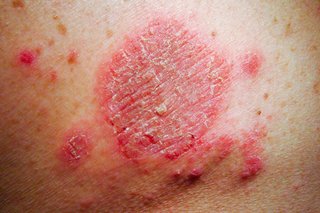 Credit: Phanie / Alamy Stock Photo |
Atopic Dermatitis
Discoid Eczema (Nummular Eczema or Coin Eczema)
Discoid eczema (nummular eczema, exudative eczema, microbial eczema) is characterized by round spots of oozing or dry rash, with clear boundaries, often on the lower legs. It is usually worse in winter. The cause is unknown, and the condition tends to come and go.
Overview
Nummular eczema is a skin condition that causes circular, raised spots on your skin. Nummular comes from a Latin word for “coin,” and the patches are coin-shaped. The lesions (bumps and blisters) are often (intensely) itchy, sometimes ooze clear fluid and may become crusty on top.2
The condition is chronic. Patches can last for weeks to months, and flare-ups or episodes can repeatedly happen over a long period of time.
Nummular dermatitis isn’t a fungus, and it’s not contagious.
You can’t spread it to other people, and it won’t spread on your own body, but you may get additional patches in other areas.
Discoid eczema (nummular eczema) can affect anyone, but it’s more common among males.
Symptoms and Causes
Discoid eczema causes distinctive circular or oval patches of eczema. It can affect any part of the body, although it does not usually affect the face or scalp.3
The first sign of discoid eczema is usually a group of small spots or bumps on the skin. These then quickly join up to form larger patches that can range from a few millimetres to several centimetres in size.
On lighter skin these patches will be pink or red. On darker skin these patches can be a dark brown or they can be paler than the skin around them.
What causes nummular eczema? Scientists aren’t sure why nummular dermatitis occurs, but it may be triggered by:
- Allergies.
- Bacterial infection (for example, Staphylococcus).
- Exposure to rough fabrics (for example, wool).
- Extremely dry skin or dry environments.
- Frequent bathing or showering with hot water.
- Skin trauma or injury, like a burn, scrape or bug bite.
- Use of irritating and drying soaps.
Management and Treatment
Is there a cure for nummular eczema?
There’s no cure for this condition.
Treatment aims to:
- Clear or prevent infection.
- Ease symptoms.
- Restore the natural skin barrier.
- Teach good skincare to prevent future flare-ups.
How do you get rid of nummular eczema? To help clear nummular dermatitis flare-ups, your healthcare provider may prescribe topical treatments.
Outlook / Prognosis
What can I expect if I have nummular dermatitis? With correct diagnosis, treatment and self-care, nummular eczema usually clears up. The nummular eczema healing process usually takes one to several weeks. The spots will flatten, get lighter in the middle and disappear.
Does discoid eczema usually return after treatment?
Nummular eczema is a chronic condition, which means you can have additional episodes after successful treatment. You may experience flare-ups every few months or years.
Prevention
How can I prevent nummular eczema episodes? To reduce your risk of discoid eczema flare-ups, try these skincare strategies:
- Avoid skin products and laundry detergents that contain fragrances or dyes.
- Avoid tight clothing and irritating fabrics.
- Manage stress, which may contribute to flare-ups.
- Moisturize with thick products, such as petroleum jelly or hydrating cream, especially when the skin is still damp after bathing or showering.
- Prevent skin injury. If an injury occurs, clean the area and cover it with a bandage.
- Take short (five-minute), lukewarm showers.
- Avoid hot long baths.
- Use gentle cleansers that contain moisturizers.
- Avoid rubbing exfoliating skin.
- Avoid using a washcloth, buff puff or loofah.
Living With
How do I take care of myself with nummular eczema? To ease the symptoms of nummular dermatitis at home, use the prevention tips above. Also:
- Avoid scratching the spots, as that can cause infections and scars.
- Cover lesions with a moist bandage (for example, an adhesive bandage with petroleum jelly on the pad).
- Follow your healthcare provider’s instructions carefully.
- Take an antihistamine, such as hydroxyzine or diphenhydramine, to reduce itchiness and help you sleep at night.