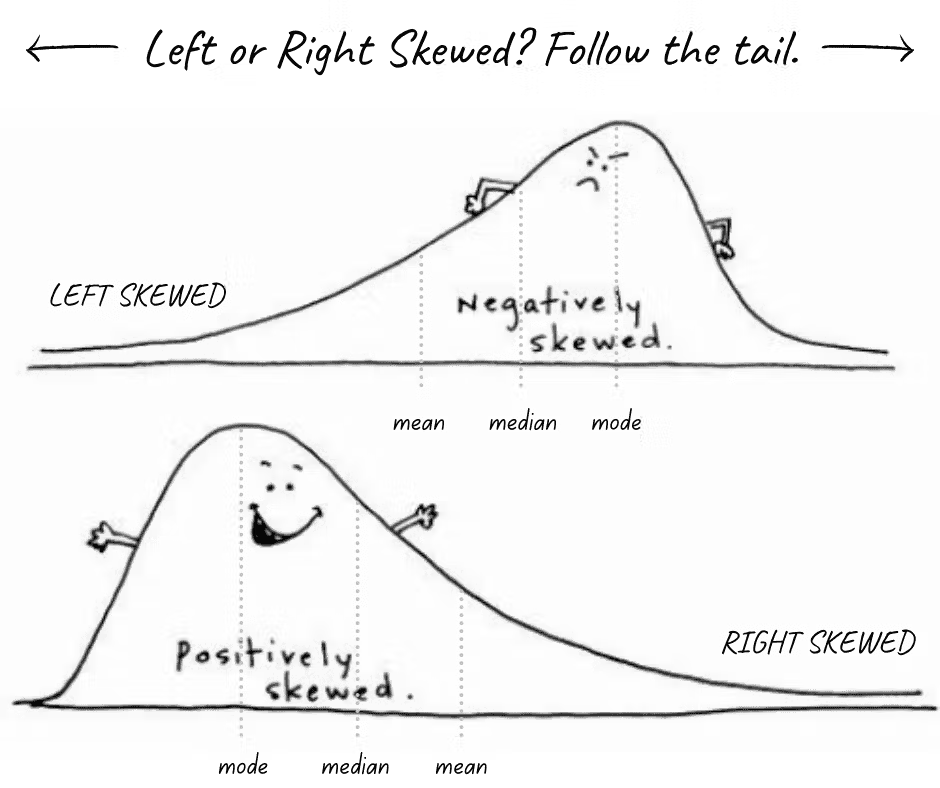
Skewness measures the asymmetry of a data distribution, indicating if data points are clustered more on one side of the mean, creating a longer "tail" in that direction.
Type of Skewness
| Skew Type | Skew Type | Mean vs. Median vs. Mode | Description |
|---|---|---|---|
| Symmetrical | Zero Skew | ||
| Left Skewed | Negative Skew | Longer tail to the left; few small values | |
| Right Skewed | Positive Skew | Longer tail to the right; few large values |
- Zero Skew (Symmetrical): The data is evenly distributed; the mean, median, and mode are close or equal (like a bell curve).
- Positive Skew (Right Skewed): The tail extends to the right; most data points are smaller, with a few large values. The mean is greater than the median.
- Negative Skew (Left Skewed): The tail extends to the left; most data points are larger, with a few small values. The mean is less than the median.
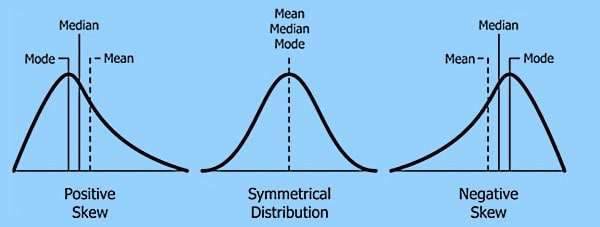
Transclude of left-or-right-skewed-1.avif
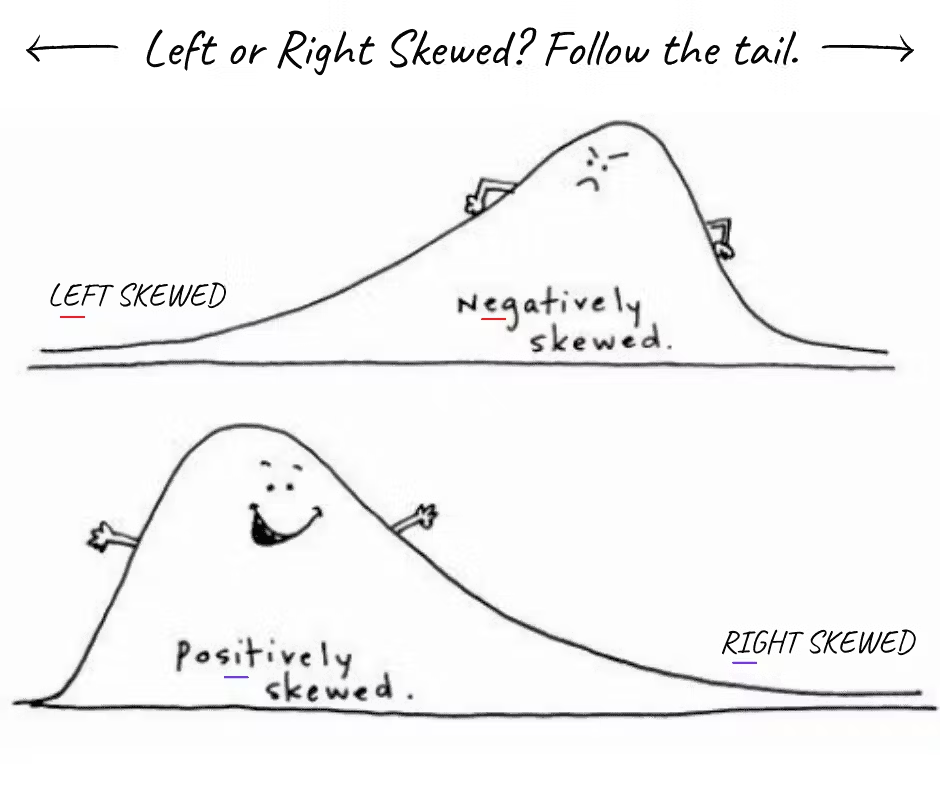
Transclude of left-or-right-skewed-2.avifSource: Skewed Distributions may not be normal, but they don’t have to be complicated!